Understanding Metabolism: How It Influences Weight Loss
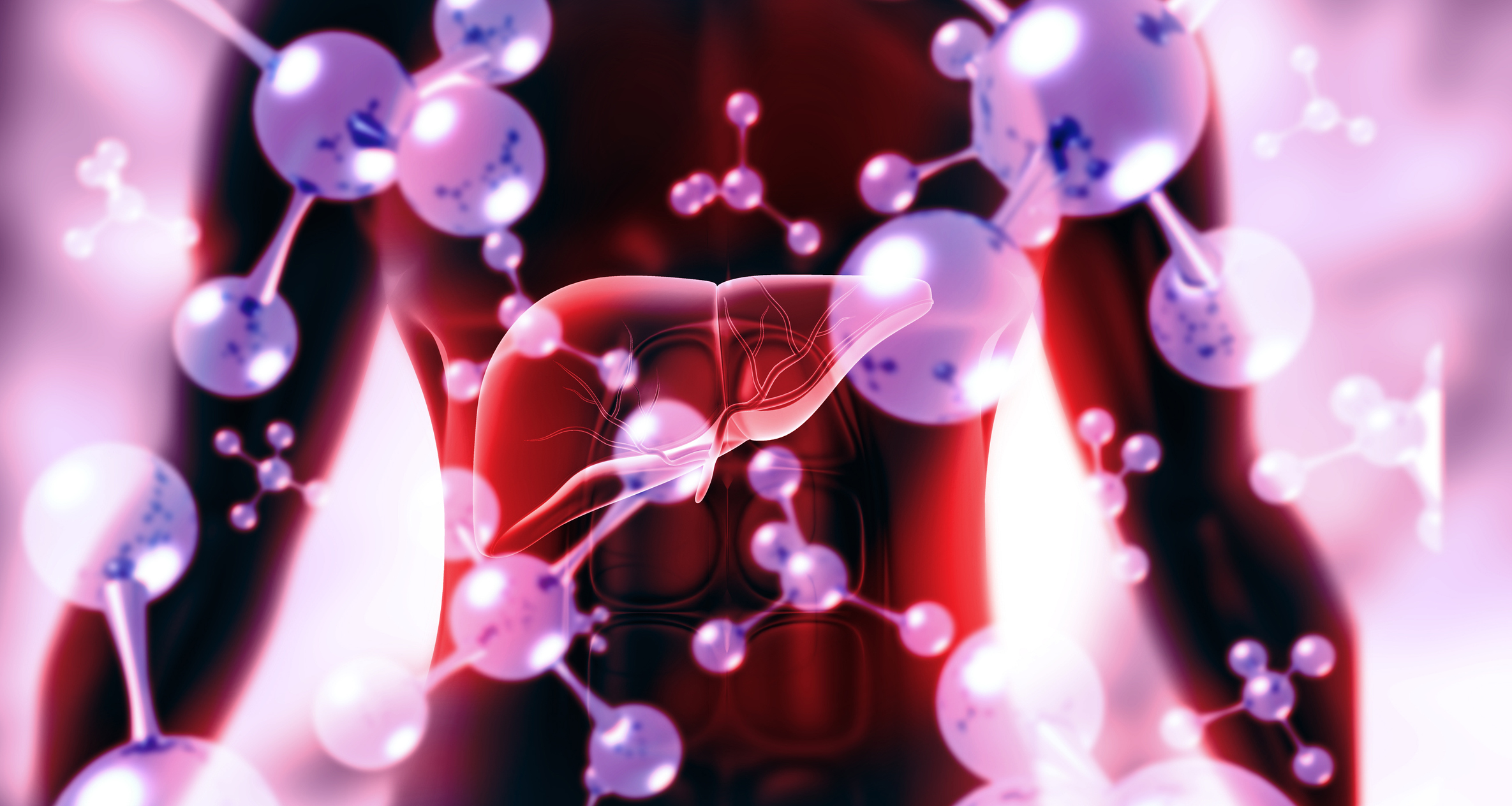
If you’ve ever blamed a “slow metabolism” for stubborn weight, you’re not alone. Many people struggle with losing weight despite their best efforts and wonder if their metabolism is to blame. But what exactly is metabolism? How much influence does it really have on weight? And can you do anything to improve it?
In this article, we’ll explore the science of metabolism, how it affects weight loss, what can slow it down, and how to support it naturally through smart habits and personalised guidance.
What Is Metabolism?
Metabolism refers to all the chemical processes that occur in your body to keep you alive and functioning. These processes include converting food into energy, building and repairing cells, and eliminating waste. In simple terms, metabolism is how your body burns energy.
One key component of metabolism is your Basal Metabolic Rate (BMR), which is the number of calories your body needs to carry out basic functions at rest, such as breathing and maintaining body temperature. BMR accounts for around 60 to 75 percent of your total daily energy expenditure.
Other components of your metabolism include:
- The thermic effect of food (TEF): the energy your body uses to digest, absorb, and process nutrients.
- Physical activity energy expenditure: the energy burned through movement and exercise.
- Non-exercise activity thermogenesis (NEAT): small movements such as fidgeting, walking, and daily tasks.
Together, these factors determine how many calories your body burns each day and influence how easily you gain or lose weight.
How Metabolism Affects Weight Loss
Metabolism plays a key role in weight management because it determines how much energy your body needs and uses. If you consistently consume more energy (calories) than your body burns, the excess is stored as fat. If you burn more than you consume, you lose weight.
People with a higher metabolic rate burn more energy at rest, which can make weight loss easier. However, many people overestimate how much their metabolism affects their ability to lose weight. While metabolism matters, lifestyle and behaviour often have a bigger impact.
For example, two people may eat the same meals, but one may gain weight while the other does not. This can be due to differences in muscle mass, activity levels, sleep, stress, or metabolic rate. Understanding what affects your metabolism can help you make changes that support, rather than hinder, your weight loss journey.
What Causes a Slow Metabolism?
Several factors influence your metabolic rate, some of which you can control and others you cannot.
- Age: As you get older, your metabolism tends to slow down. This is partly because you lose muscle mass over time, and muscle burns more calories than fat.
- Gender: Men usually have a faster metabolism than women because they tend to have more lean muscle mass.
- Muscle Mass: Muscle tissue requires more energy to maintain than fat tissue. More muscle equals a higher BMR.
- Genetics: Your genes can influence your metabolic rate, although lifestyle habits still play a major role in your overall weight.
- Hormones: Hormonal conditions such as an underactive thyroid (hypothyroidism) or insulin resistance can slow metabolism.
- Dieting and Undereating: Eating too little can actually slow your metabolism. When your body senses a shortage of food, it can reduce energy expenditure in order to conserve fuel.
- Lack of Sleep: Poor sleep can disrupt hormones that regulate hunger and metabolism, making it harder to lose weight.
- Sedentary Lifestyle: Being inactive can reduce your daily energy burn and contribute to a sluggish metabolism.
Signs of a Slowed Metabolism
While it’s difficult to measure your metabolic rate without specialised testing, there are signs that may suggest a reduced metabolic rate:
- Unexplained weight gain
- Fatigue or lack of energy
- Difficulty losing weight despite diet and activity
- Feeling cold often
- Thinning hair or dry skin
If you suspect a medical issue like hypothyroidism, it’s important to speak with your GP for proper diagnosis and support.
Can You Really Boost Your Metabolism?
There is no miracle way to “hack” your metabolism, but there are evidence-based strategies that can help support a healthy metabolic rate. These changes are not about quick fixes but about creating the right conditions for your body to burn energy efficiently..
How to Support a Healthy Metabolism Naturally
1. Preserve or Build Lean Muscle
Strength training and regular movement help build and maintain muscle, which increases your resting energy expenditure. Even bodyweight exercises at home can make a difference.
2. Eat Enough, Not Too Little
Severely restricting calories can backfire. When you under-eat, your body compensates by slowing down your metabolic rate to conserve energy. Focus on eating balanced meals that nourish your body.
3. Prioritise Protein
Protein-rich foods like eggs, fish, legumes, and lean meats have a higher thermic effect, meaning your body burns more energy digesting them. Protein also helps preserve muscle mass during weight loss.
4. Stay Hydrated
Water is essential for your metabolic processes. Some studies also suggest that drinking water 15 minutes before meals can help slightly increase calorie burn.
5. Get Quality Sleep
Lack of sleep interferes with hormones that regulate hunger and satiety, which can indirectly impact metabolism and lead to weight gain.
6. Reduce Stress
Chronic stress raises cortisol levels, which can interfere with metabolism, appetite, and fat storage. Activities like mindfulness, walking, or speaking with a coach can help manage stress.
7. Avoid Skipping Meals
Irregular eating patterns can lead to increased hunger when you do finally eat – meaning you’re likely to eat more starchy (high calorie/energy) foods. Aim for three consistent, balanced meals throughout the day.
Myth: “My Metabolism Is Broken”
It’s a common belief that a sluggish metabolism is the sole reason for weight gain. But in most cases, weight challenges are the result of a combination of factors. While some conditions can impact metabolism, for most people, changing daily habits can significantly improve metabolic function and weight loss outcomes.
The Role of Coaching in Supporting Your Metabolism
Understanding your metabolism is one thing. Applying that knowledge in a way that suits your lifestyle is another. That’s where a personalised weight loss coaching programme like Miraculoss makes a real difference.
Our coaches help clients:
- Eat in a way that supports their metabolism and energy
- Avoid the trap of under-eating or overtraining
- Stay consistent with healthy routines
- Understand the why behind what they’re doing
- Adapt their plan as their body and goals evolve
Personalised support ensures that your weight loss journey works with your metabolism, not against it.
Final Thoughts
Your metabolism is not your enemy. It’s a vital system that responds to your habits, your health, and your environment. While you can’t control everything, you can make small, science-backed changes that support a more efficient, balanced metabolism.
If you’ve been trying to lose weight and feel like your body is working against you, we’re here to help. The Miraculoss team offers a proven solution with daily coaching and tailored plans to guide you toward sustainable, healthy weight loss – without extreme diets or guesswork.
Ready to take the next step?
Contact Miraculoss today to learn how our personalised coaching programme can help you work with your metabolism and achieve lasting results.